
Blog Details
If you have diabetes or prediabetes, you may think avoiding sweets is enough to keep your blood sugar under control. But you may still notice high readings even when you rarely eat sweets. This can be confusing and frustrating. Top diabetologists in Hyderabad often explain that blood sugar is influenced by much more than table sugar. Carbohydrates, physical activity, stress, sleep, illness, medicines, hormones, and the way your body uses insulin can all affect glucose levels.
The good news is that understanding these hidden factors can help you manage your blood sugar more effectively. If your readings remain high despite making healthy food choices, guidance from Top diabetologists in Hyderabad can help identify the reason and create a suitable treatment plan.
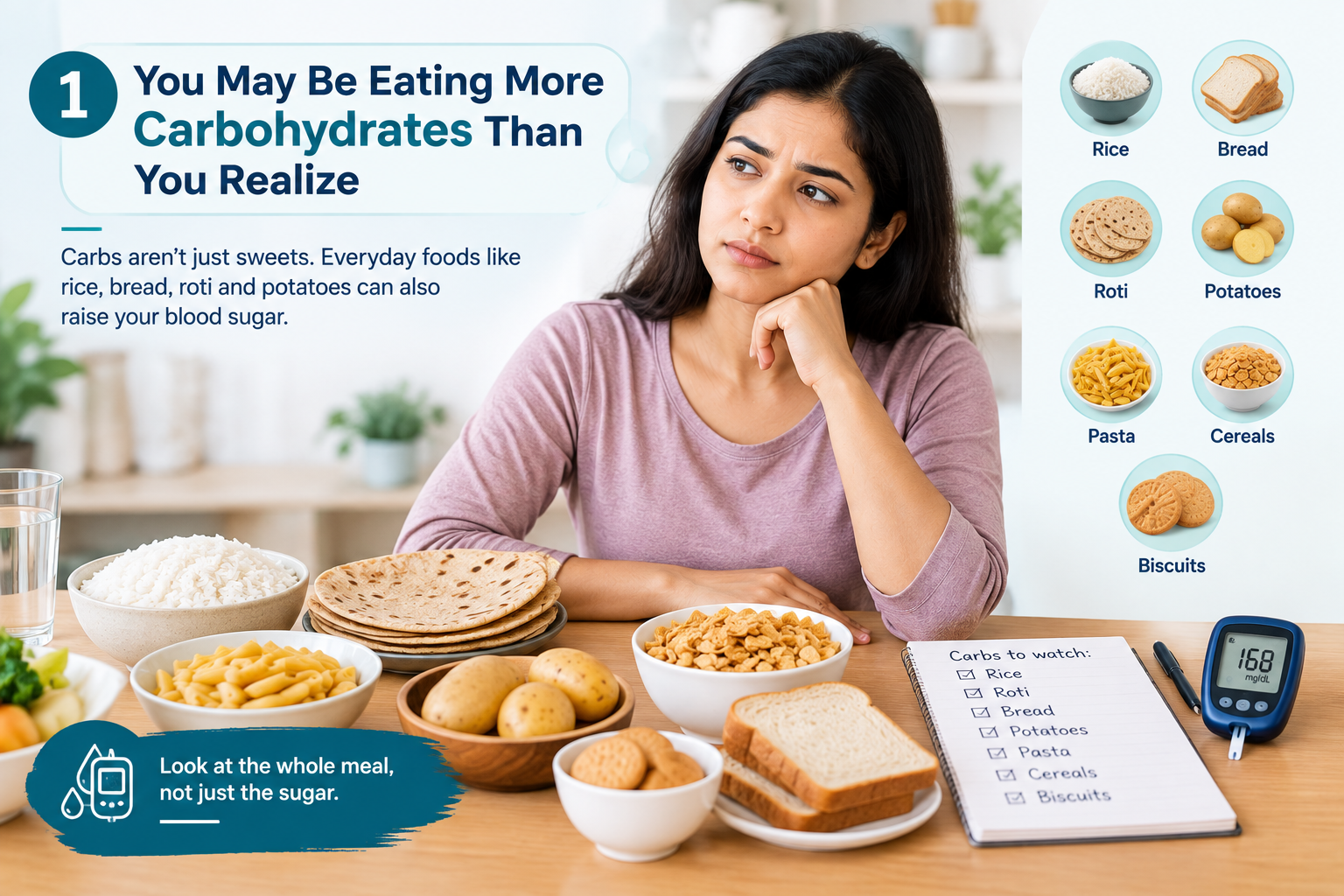
1. You May Be Eating More Carbohydrates Than You Realize
One of the biggest misunderstandings about diabetes is that only sweet foods increase blood sugar. In reality, carbohydrates from many everyday foods are broken down into glucose by the body.
Rice, bread, roti, potatoes, pasta, cereals, biscuits, noodles, and other starchy foods can affect blood glucose even when they do not taste sweet. The amount and type of carbohydrate you eat can have a significant effect on your blood sugar.
For example, someone may avoid sweets but eat large portions of white rice or several rotis at a meal. The total carbohydrate intake may still be enough to raise blood glucose.
Top diabetologists in Hyderabad generally recommend looking at the complete meal rather than focusing only on sugar. Portion size, food combinations, meal timing, and overall carbohydrate intake all matter.
2. Large Portions Can Raise Blood Sugar
Even healthy foods can affect blood sugar when eaten in excessive quantities.
Whole grains, fruits, legumes, and other nutritious foods can be part of a balanced diabetes diet. However, eating very large portions may provide more carbohydrates and calories than your body can comfortably manage.
Instead of completely eliminating carbohydrates, focus on appropriate portions and balanced meals. Including vegetables, protein, and fiber with carbohydrate-containing foods can help make meals more balanced.
If you are unsure about your portions, Top diabetologists in Hyderabad can help you understand how much food may be appropriate for your individual needs.
3. Your Body May Not Be Using Insulin Properly
Blood sugar does not depend only on what you eat. Insulin plays a major role in moving glucose from your bloodstream into your cells.
In type 2 diabetes, the body may produce insulin but may not use it effectively. This is known as insulin resistance. As a result, glucose can remain in the bloodstream and cause high blood sugar.
This explains why someone can avoid sweets and still experience elevated glucose levels.
If your blood sugar remains high despite healthy eating, Top diabetologists in Hyderabad can evaluate your overall diabetes management rather than assuming that sugar consumption is the only problem.
4. Lack of Physical Activity Can Affect Glucose
Physical activity helps your body use glucose for energy. If you spend most of the day sitting and have limited physical activity, your blood sugar may become more difficult to manage.
You do not necessarily need intense workouts to become more active. Depending on your health and doctor’s advice, regular walking, light exercise, strength training, or other suitable activities may support better glucose management.
The important thing is to choose activities that are safe and realistic for your health condition.
Top diabetologists in Hyderabad can help you understand what type and amount of physical activity may be appropriate, particularly if you have other health conditions or take medicines that can cause low blood sugar.
5. Stress Can Push Your Blood Sugar Up
Stress is another reason your blood sugar may rise even when you are eating carefully.
When you are stressed, your body releases hormones that can affect glucose levels. Stress related to work, family problems, illness, lack of sleep, or emotional pressure may make diabetes management more difficult.
You may also notice that stress changes your routine. You might sleep poorly, exercise less, eat at irregular times, or forget medicines.
If your glucose levels become unexpectedly high during stressful periods, discuss the pattern with Top diabetologists in Hyderabad instead of assuming that your diet has failed.
6. Poor Sleep May Be Affecting Your Blood Sugar
Sleep is often overlooked when people think about diabetes management.
Getting insufficient or poor-quality sleep can affect the way your body responds to insulin. The CDC also notes that inadequate sleep can make diabetes harder to manage.
If you regularly sleep late, wake frequently during the night, or do not get enough restful sleep, your blood sugar may be harder to control.
Try to maintain a consistent sleep schedule and discuss ongoing sleep problems with your healthcare professional.
Top diabetologists in Hyderabad can also consider your sleep pattern when evaluating why your glucose readings remain higher than expected.
7. Morning Blood Sugar Can Rise Even Without Eating
Have you ever checked your blood sugar in the morning and wondered how it could be high when you have not eaten anything?
One possible explanation is the dawn phenomenon. During the early morning hours, hormones such as cortisol and growth hormone can signal the liver to release glucose to help the body prepare to wake up. In people with diabetes, this may contribute to higher morning glucose levels.
This means high morning blood sugar is not necessarily caused by eating sweets the previous night.
If morning readings are repeatedly high, Top diabetologists in Hyderabad can help determine whether the pattern is related to the dawn phenomenon, medication timing, insulin needs, or another factor.
8. Illness or Infection Can Increase Blood Sugar
Your blood sugar can rise when you are sick, even if you are following your normal diet.
During illness, the body releases stress hormones as part of its response. These hormones can increase blood glucose. Respiratory infections, urinary infections, and other illnesses may therefore affect diabetes control.
Some medicines used during illness may also affect blood sugar.
If your glucose suddenly rises while you have a fever, infection, or other illness, monitor your levels as advised by your healthcare team. Top diabetologists in Hyderabad can guide you if the readings remain unusually high.
9. Dehydration May Make Blood Sugar Look Higher
Not drinking enough fluids can also affect blood glucose readings.
When your body has less water, glucose in the blood can become more concentrated. Dehydration can therefore contribute to higher blood sugar levels.
This is particularly important if high blood sugar is already causing increased urination. Frequent urination can lead to fluid loss, which may make dehydration worse.
Drinking adequate water is important, but persistent high blood sugar should not be managed by simply drinking more water. If the problem continues, Top diabetologists in Hyderabad can help identify the underlying cause.
10. Your Medicines May Need Adjustment
Sometimes high blood sugar is not related to your food choices at all. Your diabetes treatment may need to be reviewed.
Diabetes can change over time. The medication or dose that worked well previously may not provide the same level of control later. Your doctor may need to review your glucose patterns, medicines, lifestyle, and other health factors.
Never increase, decrease, or stop diabetes medication on your own.
If your blood sugar remains high despite following your treatment plan, Top diabetologists in Hyderabad can assess whether your medication needs to be changed or adjusted.
11. Some Medicines Can Affect Blood Sugar
Certain medicines taken for other health conditions can influence glucose levels.
For example, some medications may raise blood sugar as a side effect. This does not mean you should stop a prescribed medicine. Instead, tell your doctor about every medicine, supplement, or treatment you are taking.
Your healthcare team can determine whether any of them may be affecting your glucose.
This is another reason why a complete medical history is important when Top diabetologists in Hyderabad evaluate persistent high blood sugar.
12. Skipping Meals Does Not Always Lower Blood Sugar
You may think that eating less or skipping meals will automatically reduce your blood sugar. However, this is not always the case.
Skipping meals can disturb your regular eating pattern and may affect your glucose levels differently depending on your diabetes, medications, activity, and overall health.
Rather than skipping meals, focus on regular, balanced eating according to your individual diabetes plan.
Top diabetologists in Hyderabad can help you develop a meal routine that fits your lifestyle and treatment.
13. Your Blood Sugar Pattern Matters More Than One Reading
A single high blood sugar reading does not always tell the complete story.
Glucose naturally changes throughout the day. Food, exercise, stress, sleep, illness, medications, and other factors can all influence readings. Regular monitoring can help identify patterns and show what may be causing repeated highs.
For example, you may discover that your blood sugar is:
- Higher after certain meals
- Higher in the morning
- Higher during stressful days
- Higher when you sleep poorly
- Higher when you are physically inactive
- Higher when you are unwell
Keeping a record of your readings along with meals, activity, sleep, and symptoms can provide useful information for your healthcare team.
Top diabetologists in Hyderabad can use these patterns to make more informed decisions about your diabetes care.
What Should You Do If Your Blood Sugar Is High Despite Avoiding Sweets?
If your blood sugar continues to remain high, do not blame yourself simply because you ate the wrong food. Diabetes management involves several factors.
Start by reviewing your:
- Portion sizes
- Total carbohydrate intake
- Physical activity
- Sleep routine
- Stress levels
- Medication schedule
- Blood sugar monitoring
- Recent illness or infection
- Hydration
- Morning glucose patterns
Avoid making major medication changes without professional advice.
If high readings are occurring frequently, speaking with Top diabetologists in Hyderabad can help determine whether the problem is related to insulin resistance, medication needs, lifestyle factors, another health condition, or a combination of factors.
When Should You See a Doctor?
You should discuss persistent or repeatedly high blood sugar with a healthcare professional, particularly if your readings are consistently above your individualized target.
Seek urgent medical attention if high blood sugar occurs with concerning symptoms such as vomiting, abdominal pain, rapid or deep breathing, severe weakness, confusion, or fruity-smelling breath. These can be signs of a serious condition such as diabetic ketoacidosis, which requires immediate medical care.
For ongoing diabetes management, Top diabetologists in Hyderabad can help you understand your glucose patterns and decide whether your treatment plan needs to change.
How Can You Control Blood Sugar Without Completely Avoiding Carbohydrates?
You do not necessarily need to eliminate all carbohydrates from your diet.
A healthier approach is to understand which carbohydrate foods you eat, how much you eat, and how they affect your glucose. Choosing higher-fiber carbohydrate sources, controlling portions, and combining carbohydrates with protein and other nutritious foods can support a more balanced meal.
Regular physical activity, adequate sleep, stress management, appropriate medication use, and blood sugar monitoring are also important parts of diabetes care.
With personalized guidance from Top diabetologists in Hyderabad, you can build a sustainable routine instead of focusing only on avoiding sweets.
Final Thoughts
Avoiding sweets is a useful step, but it is not the complete solution to managing blood sugar. Your glucose level is influenced by carbohydrates, portion sizes, insulin function, physical activity, stress, sleep, illness, medications, hydration, and hormone changes.
If you are eating carefully but still seeing high readings, look beyond sugar. Identifying the actual cause is more helpful than simply removing more foods from your diet.
Regular monitoring and professional guidance can help you understand your individual blood sugar patterns. Top diabetologists in Hyderabad can evaluate these patterns and recommend appropriate diabetes care based on your health needs.
FAQs
1. Why is my blood sugar high even though I don’t eat sweets?
Your blood sugar can rise because of carbohydrates, large portions, insulin resistance, stress, poor sleep, illness, inactivity, dehydration, or medication-related factors. Top diabetologists in Hyderabad can help identify the specific cause.
2. Can rice increase blood sugar even if I don’t eat sugar?
Yes. Rice contains carbohydrates that are broken down into glucose. Portion size and the type of rice can affect the rise in blood sugar. Top diabetologists in Hyderabad can provide individualized dietary guidance.
3. Why is my morning blood sugar high when I haven’t eaten?
The dawn phenomenon can cause blood sugar to rise in the early morning because of natural hormonal changes. Top diabetologists in Hyderabad can help determine whether this is contributing to your morning readings.
4. Can stress increase blood sugar?
Yes. Stress hormones can affect blood glucose and may make diabetes harder to manage. Top diabetologists in Hyderabad can help you understand persistent stress-related glucose changes.
5. Can lack of sleep cause high blood sugar?
Poor or insufficient sleep can make blood sugar management more difficult and may affect insulin sensitivity. Top diabetologists in Hyderabad can consider sleep patterns when evaluating unexplained high glucose.
6. Can dehydration increase blood sugar?
Dehydration can make glucose more concentrated in the bloodstream and may contribute to higher readings. Top diabetologists in Hyderabad can help determine whether dehydration or another factor is affecting your glucose.
7. Should I stop eating carbohydrates to control diabetes?
Not necessarily. Carbohydrates can be part of a balanced diabetes diet when portions and food choices are appropriate. Top diabetologists in Hyderabad can help create an individualized meal plan.
8. Why does my blood sugar stay high despite taking diabetes medicine?
Several factors can contribute, including insulin resistance, illness, stress, diet, inactivity, medication timing, or changing diabetes needs. Top diabetologists in Hyderabad can review your treatment and glucose patterns.
9. Can illness temporarily increase blood sugar?
Yes. Illness can trigger stress hormones that increase blood glucose. Top diabetologists in Hyderabad can guide you on monitoring and managing blood sugar during illness.
10. What should I do if my blood sugar is repeatedly high?
Track your glucose readings and discuss persistent highs with your healthcare professional. Top diabetologists in Hyderabad can evaluate your readings and recommend appropriate changes to your diabetes care plan.
11. Can exercise help lower high blood sugar?
Physical activity can help your body use glucose for energy, but the safest activity depends on your health and glucose level. Top diabetologists in Hyderabad can advise you about suitable exercise.
12. Is avoiding sweets enough to control diabetes?
No. Avoiding added sugar is helpful, but diabetes management also involves carbohydrates, portions, physical activity, sleep, stress, medicines, and other factors. Top diabetologists in Hyderabad can provide comprehensive guidance.
13. Can medicines for other conditions raise blood sugar?
Some medicines can affect blood glucose. Do not stop prescribed medication without medical advice. Top diabetologists in Hyderabad can review your medicines and identify possible effects on glucose.
14. When should high blood sugar be treated as an emergency?
Very high blood sugar accompanied by vomiting, abdominal pain, rapid breathing, confusion, severe weakness, or fruity-smelling breath requires urgent medical attention. Top diabetologists in Hyderabad can help with ongoing diabetes management, but emergency symptoms need immediate care.
Book your consultation with Dr. S. Prathyusha today for expert thyroid evaluation and personalized treatment.
 Call: +91 7075352525
 Email: prathyusha.30.3@gmail.com
https://www.instagram.com/drprathyusha1/
Early diagnosis. Personalized care. Better thyroid health.

Elemmentor Box
Dr. Jenifer Olivia
Cardiologist, Maxcare Hospital
Sed ut perspiciatis unde omnis iste natus error sit voluptatem accusantium.
Recent Posts
Why Do I Wake Up Tired Even After 8 Hours of Sleep?
Why Personalized Diabetes Care Matters for Long-Term Health
Can HbA1c Improve Without Major Changes in Blood Sugar?
Categories
Tag Cloud